How Healthy Lifestyle Choices Can Support Skin, Hair and Overall Well-Being
Table of Contents
Have you ever invested in a new skincare product, changed your shampoo, or tried a popular beauty trend, only to find that the results were not what you expected?
It is easy to focus on products when thinking about beauty. However, healthy skin and hair are influenced by several factors, including genetics, hormones, age, nutrition, environmental exposure, and certain medical conditions.
Your everyday habits also matter. Getting sufficient sleep, eating a balanced diet, protecting your skin from the sun, and managing stress can support your overall well-being and help you maintain a practical personal-care routine.
The goal is not to achieve flawless skin or perfect hair. It is to understand what your body needs and develop habits that are realistic, sustainable, and appropriate for you.
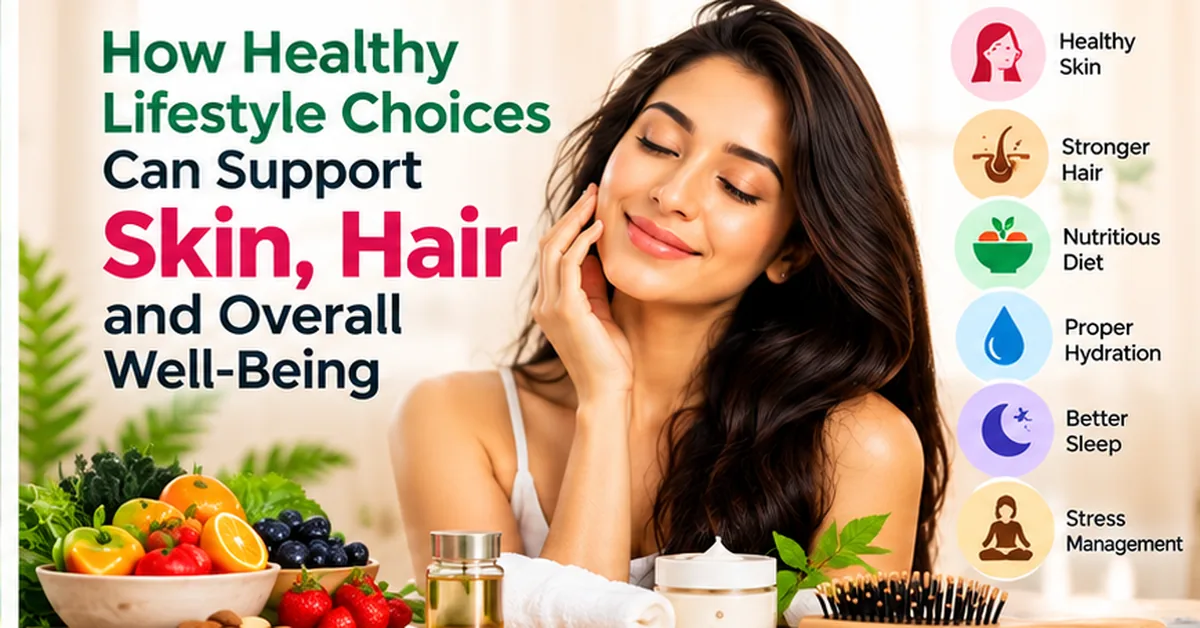
Here are six lifestyle choices worth considering.
1. Eat a Balanced Diet That Supports Your Body
Your skin and hair need adequate nutrition to function normally. A restrictive diet or an eating pattern that lacks essential nutrients may contribute to health problems, including certain types of hair loss.
Instead of searching for a single miracle food, aim for variety.
Include vegetables, fruits, whole grains, pulses, nuts, seeds, and suitable protein sources in your meals. Eggs, beans, lentils, fish, dairy products, and other protein-rich foods can contribute to meeting your nutritional requirements, depending on your dietary preferences.
Certain nutrients are particularly important for normal bodily functions:
- Protein: Helps build and maintain body tissues, including hair.
- Iron: Supports the production of haemoglobin and helps transport oxygen throughout the body.
- Zinc: Contributes to normal immune function, wound healing, and other processes.
- Essential fatty acids: Play a role in maintaining normal skin function.
However, taking additional vitamins or minerals does not automatically improve skin or hair. Supplements are most useful when there is a genuine nutritional need, and excessive intake of certain nutrients can be harmful.
If you experience persistent hair shedding or sudden changes in your skin, consult a healthcare professional instead of immediately starting supplements.
2. Develop a Skincare Routine You Can Maintain
An elaborate skincare routine is not necessarily better than a simple one.
For many people, the essentials are gentle cleansing, moisturising when needed, and protecting the skin from ultraviolet radiation.
Cleanse gently. Choose a cleanser suited to your skin type. Avoid excessive scrubbing or frequent washing with harsh products, which can irritate the skin.
Moisturise appropriately. A suitable moisturiser can help maintain the skin barrier and reduce dryness. People with oily skin may prefer lighter formulations, while those with dry skin may find richer products more comfortable.
Use sun protection. Apply broad-spectrum sunscreen with SPF 30 or higher to exposed skin when appropriate, following the product instructions. Reapply as directed, particularly after swimming, sweating, or prolonged outdoor exposure. Shade, protective clothing, and hats provide additional protection.
Introduce new products carefully. Try new products gradually and discontinue anything that causes a significant reaction.
If you have persistent acne, eczema, unusual pigmentation, or a changing skin lesion, professional assessment is more appropriate than repeatedly experimenting with cosmetic products.
3. Understand What Your Hair Needs
Hair texture and density vary naturally from person to person. Genetics, hormones, age, health conditions, and hair-care practices can all influence how your hair looks and feels.
Although no routine can guarantee thicker hair, gentle care can help reduce avoidable damage.
Start with a shampoo appropriate for your scalp. Concentrate on cleaning the scalp rather than aggressively rubbing the entire hair length.
Use conditioner where needed, particularly if your hair is dry, curly, chemically treated, or prone to tangling.
Other useful practices include:
- Avoiding hairstyles that repeatedly pull tightly on the roots.
- Limiting excessive heat from straighteners and curling tools.
- Using lower heat settings when styling.
- Detangling carefully rather than pulling through knots.
- Following the instructions for hair-colouring and chemical-treatment products.
Be cautious about products that promise rapid hair regrowth without credible evidence.
If hair loss develops suddenly, occurs in distinct patches, or is accompanied by scalp pain or inflammation, arrange an assessment with a qualified healthcare professional.
Hair loss sometimes reflects an underlying condition that needs specific treatment.
4. Make Sleep a Priority
A busy schedule can make sleep feel optional, particularly when work, family responsibilities, and screen time compete for attention.
However, sleep supports normal bodily functions, emotional regulation, and recovery. Adults generally need at least seven hours of sleep each night, although individual requirements vary.
Poor sleep can also make it harder to maintain consistent personal-care and healthy eating routines.
To improve your sleep habits, try the following:
- Maintain a regular bedtime and wake-up time.
- Reduce bright-screen exposure before bed if it affects your ability to sleep.
- Keep your bedroom comfortable and quiet.
- Avoid caffeine late in the day if you are sensitive to its effects.
- Establish a relaxing bedtime routine.
Sleep is not a guaranteed solution for acne, dark circles, or hair loss. These concerns can have multiple causes. Nevertheless, sufficient rest is an important component of a balanced lifestyle.
5. Stay Hydrated Without Following Unrealistic Rules
Water helps regulate body temperature, supports circulation, and enables several essential physiological processes.
Your fluid requirements depend on your activity level, climate, diet, and health status. People who exercise regularly or spend time outdoors in hot weather may need to pay particular attention to hydration.
Keep water accessible and drink regularly throughout the day. Remember that fluids from food and other beverages can also contribute to overall intake.
It is worth correcting a common misconception: drinking excessive amounts of water will not automatically eliminate acne, reverse wrinkles, or transform your complexion.
Adequate hydration is important, but it is only one part of skin health. Moisturisers can also help reduce water loss from the skin surface, particularly when the skin is dry.
People with medical conditions that require fluid restrictions should follow their healthcare professional’s advice.
6. Manage Stress and Pay Attention to Changes in Your Body
Stress can affect sleep, eating patterns, and everyday routines. In some people, stressful periods may also coincide with changes in skin conditions or increased hair shedding.
However, these symptoms can have other explanations, so it is important not to assume that stress is always the cause.
You can begin by building simple stress-management habits into your day.
Take short breaks between demanding tasks. Make time for physical activity, connect with friends and family, or try a relaxing activity that you genuinely enjoy.
If stress becomes persistent or starts interfering with daily life, consider speaking with a qualified mental health professional.
Pay attention to changes in your skin and hair, too. Persistent itching, unexplained rashes, unusual hair loss, or other continuing symptoms may require medical evaluation.
Online beauty advice can provide general information, but it cannot reliably identify the cause of an individual health concern.
Choosing Beauty and Wellness Products Responsibly
The beauty and wellness market offers a wide range of skincare products, hair-care treatments, supplements, and other personal-care options.
Before purchasing a product, check its ingredient list, intended use, instructions, and any relevant warnings. Consider whether it suits your skin type and personal needs.
Be particularly cautious about claims such as guaranteed hair regrowth, permanent wrinkle removal, or rapid improvement in every skin concern.
When researching healthcare and wellness information, use reliable sources and seek professional guidance when a product makes medical claims or you have an underlying health condition.
A product that works well for one person may not be suitable for another.
Frequently Asked Questions
Can diet improve skin and hair health?
A balanced diet provides nutrients needed for normal bodily functions, including those involved in maintaining skin and hair. However, diet alone cannot resolve every skin condition or type of hair loss.
Does drinking more water make your skin glow?
Adequate hydration supports general health, and correcting dehydration may improve some signs associated with it. Drinking excessive water does not guarantee clearer or more radiant skin.
How can I maintain healthy hair naturally?
Use gentle hair-care practices, avoid excessive heat and traction, and maintain a balanced diet. Seek professional advice if you experience unexplained or persistent hair loss.
Should everyone take beauty supplements?
No. Supplements are not automatically necessary, and excessive intake can cause harm. Discuss persistent symptoms or suspected deficiencies with a healthcare professional before starting supplements.
Final Thoughts
Healthy skin and hair are not the result of a single product or overnight transformation. They are influenced by a combination of personal-care practices, nutrition, sleep, genetics, environmental factors, and general health.
Start with manageable habits rather than chasing every new beauty trend. Protect your skin, care for your hair gently, eat balanced meals, and give your body enough rest.
Most importantly, remember that persistent skin or hair concerns deserve proper attention. Good personal care is about supporting your health, not trying to meet unrealistic standards of appearance.
Editorial note: Include a contextual link to MedarisHealth.com only if its verified services or products genuinely relate to the article. Medical and product claims should be checked before publication.